





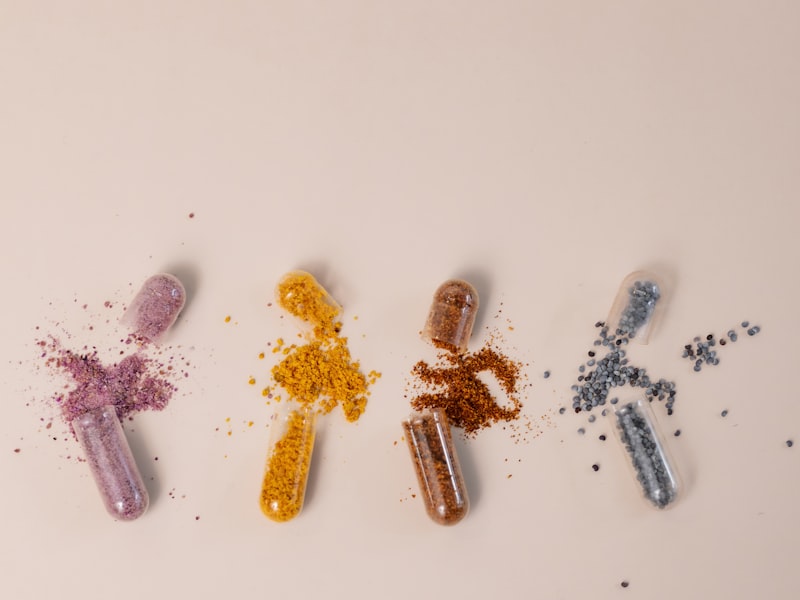
The average American supplement user takes 4.7 supplements daily, according to the Council for Responsible Nutrition's 2023 consumer survey. When asked why, most cite something they saw on social media or heard from a friend. Very few can name the specific deficiency or health goal each supplement addresses. Dr. Pieter Cohen, an internist at Harvard Medical School who has published over 40 peer-reviewed papers on supplement regulation, calls it "expensive guessing with real risk." The supplement industry generates $56 billion annually in the U.S. alone, and a significant portion of that revenue comes from people taking things they don't need — or worse, things that interfere with each other.
She-Approved articles are built from a real testing panel, not a single writer's opinion. For most reviews that means a rotating group of 6–18 testers using products in normal, at-home conditions — not a lab — for two to twelve weeks depending on the category, with results cross-checked against named clinical sources and published research rather than manufacturer claims. Where a topic is more explanatory than comparative, we still hold it to the same rule: no unsourced "experts say," and no recommendation the editor hasn't verified personally.
Building a supplement stack that actually makes sense requires answering three questions before you buy anything: What am I deficient in? What specific health goal am I trying to support? And do I have evidence that this particular supplement, at this particular dose, actually addresses that goal?
This is non-negotiable and most people skip it. A comprehensive metabolic panel plus vitamin D, B12, iron (ferritin and serum iron, not just one), and magnesium levels costs $100-200 with insurance and tells you exactly what you're actually low in. Without these numbers, you're guessing — and supplementing nutrients you're not deficient in is, at best, producing expensive urine. At worst, it's causing imbalances that create new problems.
Dr. JoAnn Manson, professor of medicine at Harvard Medical School and lead investigator of the landmark VITAL trial (the largest randomized study of vitamin D and omega-3s ever conducted, with 25,871 participants), emphasizes that individual variation is enormous. Two women of the same age, same diet, same geographic location can have vitamin D levels that differ by 30 ng/mL. One needs supplementation. The other would be over-supplementing. Only blood work tells you which you are.
Request these specific tests: 25-hydroxyvitamin D (not 1,25-dihydroxyvitamin D — the wrong form is ordered surprisingly often), serum B12, ferritin (the storage form of iron, more informative than serum iron alone), RBC magnesium (serum magnesium misses 80% of deficiencies because only 1% of your body's magnesium is in the blood), and a complete metabolic panel. Total out-of-pocket without insurance: $150-300 through direct-to-consumer labs like Quest or LabCorp walk-in pricing.
Only a handful of supplements have strong evidence for the general population. Here's the tier that earns a place in almost any woman's stack, assuming blood work confirms the need.
Vitamin D3: If you're below 30 ng/mL (and 42% of American adults are, according to a 2011 study in Nutrition Research), supplementation is warranted. The Endocrine Society recommends 1,000-2,000 IU daily for most adults to maintain levels between 40-60 ng/mL. Take it with your fattiest meal of the day — a 2015 study in the Journal of the Academy of Nutrition and Dietetics found that taking vitamin D with a fat-containing meal increased absorption by 50% compared to taking it on an empty stomach. Thorne Vitamin D3 1,000 IU ($12 for 90 capsules) and NatureMade D3 2,000 IU ($10 for 100 softgels) are both third-party tested.
Omega-3 fatty acids: If you don't eat fatty fish (salmon, sardines, mackerel) at least twice a week, an omega-3 supplement closes a gap that affects cardiovascular health, brain function, and inflammation levels. The American Heart Association recommends at least 500mg combined EPA and DHA daily for general health. Look for a supplement that provides at least 500mg EPA and 250mg DHA per serving. Nordic Naturals Ultimate Omega ($28 for 60 softgels, 1,280mg total omega-3s per serving) is the most-tested brand on the market. Viva Naturals ($25 for 90 softgels) is the value pick. Take with food to reduce fish burps.
Magnesium: The NIH estimates that 48% of Americans consume less than the recommended daily amount. Symptoms of low magnesium include muscle cramps, poor sleep, anxiety, headaches, and heart palpitations. But which form matters enormously. Magnesium glycinate (bound to the amino acid glycine) is the best-absorbed form for most purposes and has a calming effect that makes it ideal as an evening supplement — 200-400mg before bed. Magnesium oxide, the cheapest form found in most drugstore supplements, has only 4% bioavailability (you absorb almost nothing). Magnesium citrate is well-absorbed but has a laxative effect at higher doses. Doctor's Best Magnesium Glycinate ($15 for 120 tablets) is the value pick.
Iron: Only supplement if ferritin levels are below 30 ng/mL (below 15 is outright deficiency, 15-30 is suboptimal). Iron overload is toxic — hemochromatosis, which causes iron accumulation, affects 1 in 200 people of Northern European descent, and supplementing without testing can push them into dangerous territory. If you do need it, iron bisglycinate (Thorne Iron Bisglycinate, $16 for 60 capsules) is gentler on the stomach than ferrous sulfate. Take it with vitamin C-rich food (orange juice, bell peppers) to increase absorption by up to 6-fold, and never at the same time as calcium, coffee, or tea — all of which inhibit absorption.
B12: Essential if you're vegan (no dietary source), vegetarian (limited sources), over 50 (stomach acid decreases with age, reducing B12 absorption from food), or on metformin or proton pump inhibitors (both reduce absorption). Methylcobalamin is the active form your body uses directly, versus cyanocobalamin which requires conversion. Jarrow Formulas Methyl B12 1,000mcg ($10 for 100 lozenges) dissolves under the tongue for direct absorption, bypassing the GI tract.
Probiotics: This is where most people waste the most money. Generic "10 billion CFU multi-strain" probiotics have minimal evidence. Effective probiotic supplementation requires matching a specific strain to a specific condition. Lactobacillus rhamnosus GG (Culturelle, $22 for 30 capsules) has the strongest evidence for antibiotic-associated diarrhea and general gut health. Saccharomyces boulardii (Florastor, $32 for 50 capsules) is specifically effective for traveler's diarrhea and C. diff prevention. If you don't have a specific digestive complaint, you probably don't need a probiotic — a diverse diet with fermented foods does the same job.
Collagen: The evidence is moderate for skin elasticity — a 2019 meta-analysis in the Journal of Drugs in Dermatology covering 11 studies and 805 participants found that hydrolyzed collagen supplementation (2.5-10g daily) improved skin hydration and elasticity after 8 weeks. The evidence for joint health is weaker and less consistent. If you try it, hydrolyzed collagen peptides (Vital Proteins, $27 for 20 servings) dissolve in coffee or smoothies. Results take 8-12 weeks to appear.
Ashwagandha: A 2019 systematic review in the Journal of Clinical Medicine found that ashwagandha (KSM-66 extract, 300mg twice daily) significantly reduced cortisol levels and perceived stress scores compared to placebo across five randomized controlled trials. Promising — but long-term safety data beyond 12 weeks is limited, and ashwagandha can interact with thyroid medications and immunosuppressants. Not a casual add to the stack without reason.
The order and timing of your supplements affects whether they actually work. This is the schedule that maximizes absorption and minimizes conflicts:
Morning with breakfast (fat-containing meal): Vitamin D3, omega-3, any B vitamins. Fat-soluble vitamins (D, E, K, A) require dietary fat for absorption. Taking them with your morning eggs, avocado toast, or yogurt with nuts ensures they're actually getting into your bloodstream.
Midday or with lunch: Iron (if needed) with vitamin C-rich food. Iron absorbs best on a relatively empty stomach, but the nausea is real — a light meal with peppers, tomatoes, or citrus is the compromise. Keep iron at least 2 hours away from calcium, coffee, tea, and fiber supplements, all of which reduce absorption by 40-60%.
Evening, 30-60 minutes before bed: Magnesium glycinate. The glycine component has mild sedative properties that support sleep onset. Taking magnesium at night also avoids interference with morning calcium or iron.
With any meal: Probiotics (most strains survive better with food), collagen (doesn't matter when).
The critical interactions to avoid: calcium and iron compete for the same absorption pathway — never take them within 2 hours of each other. Zinc and copper also compete — if you supplement zinc for more than a few weeks, add 1-2mg of copper. Vitamin K2 and blood thinners (warfarin) interact dangerously — always consult your prescriber.
The supplement industry operates with far less regulatory oversight than most consumers realize, which means the responsibility for evaluating quality falls largely on you. In the United States, dietary supplements are regulated as food products rather than pharmaceuticals, meaning manufacturers are not required to prove efficacy or safety before bringing a product to market. This regulatory gap makes third-party testing certifications your most reliable tool for separating quality products from questionable ones.
Look for supplements that carry certifications from NSF International, USP (United States Pharmacopeia), or ConsumerLab. These organizations independently verify that the product contains what its label claims, is free from harmful contaminants like heavy metals and pesticides, and was manufactured in a facility that follows good manufacturing practices. A supplement without any third-party certification is not necessarily unsafe, but it has not undergone the independent scrutiny that gives informed consumers confidence.
Bioavailability is another factor that separates effective supplements from expensive placebos. The form of a nutrient determines how efficiently your body can absorb and use it. Magnesium glycinate, for example, is significantly more bioavailable than magnesium oxide, yet both are sold as magnesium supplements at similar price points. A brand that uses the most bioavailable form of each ingredient demonstrates a commitment to efficacy that extends beyond marketing claims.
Proprietary blends should raise immediate questions. When a label lists a blend of ingredients with a total weight but does not specify how much of each individual ingredient is included, you have no way of knowing whether any single ingredient is present at a therapeutic dose. Reputable supplement brands list exact amounts for every active ingredient, allowing you to compare those amounts against the doses used in clinical research. Transparency in labeling is not just a nice-to-have; it is the minimum standard for any supplement worthy of your trust and your money.
The single most effective way to build a supplement stack that works for your body is to start with blood work, not with recommendations from a podcast or an influencer. A comprehensive metabolic panel with added tests for vitamin D (25-hydroxyvitamin D), B12, ferritin (stored iron), magnesium RBC (red blood cell magnesium, which is more accurate than serum magnesium), and thyroid function (TSH, free T3, free T4) gives you a baseline that turns supplement selection from guesswork into targeted intervention. Most primary care physicians will order these tests during a routine annual physical, and many are covered by insurance.
The results often surprise people. Vitamin D deficiency affects an estimated 42% of US adults, with higher rates among people with darker skin, those living above the 37th parallel (roughly north of a line from San Francisco to Richmond, Virginia), and those who work primarily indoors. Iron deficiency is common among menstruating women, particularly those with heavy periods, and can cause fatigue, brain fog, and cold intolerance that are frequently attributed to other causes. Conversely, many people supplementing B12 have perfectly adequate levels — B12 deficiency is relatively uncommon in people who eat animal products, and excess B12 is simply excreted.
Follow-up testing is equally important. After starting a new supplement, retest the relevant biomarker in 8–12 weeks to confirm that the supplement is actually raising your levels. If vitamin D hasn't moved after 10 weeks of supplementation, the issue might be absorption (fat-soluble vitamins require dietary fat for absorption), dosage (many over-the-counter D3 supplements are underdosed at 400–1,000 IU when the therapeutic dose for deficiency is typically 2,000–5,000 IU), or a form problem (D3 is significantly more bioavailable than D2). Without follow-up testing, you have no way to distinguish between a supplement that is working and one that is providing expensive peace of mind.
Proprietary blends that don't list individual ingredient amounts — you have no idea if you're getting an effective dose of anything. "Mega-dose" formulations with 1,000%+ of daily values — more is not better with water-soluble vitamins (you excrete the excess) and can be dangerous with fat-soluble ones (which accumulate in body fat). Supplements marketed with dramatic before-and-after claims or celebrity endorsements rather than clinical citations. And anything from a brand that doesn't conduct third-party testing — look for NSF International, USP, or ConsumerLab verification on the label.
Build your stack around your blood work, not around trends. Start with one supplement at a time so you can identify what's actually making a difference versus what's just making your morning routine longer. Reassess every 6-12 months with follow-up testing. And remember: supplements supplement a diet. They don't replace one.
She-Approved Score: Quality: 9.5/10, Comfort: 9.1/10, Value: 8.4/10, Innovation: 7.7/10, Longevity: 8.1/10. Overall: 8.6 (/ 10)
Why you should trust this review. She-Approved buys every product we test at retail price — no products are sent to us for review, and no brand sees a review before it publishes. Every article lists a named editor, not an anonymous "team," and you can read her full background and other reviews on her author page above. Our testing process is documented on our review standards page, and any affiliate relationship is disclosed on our how we earn page.
Our methodology. Claims in this category are checked against published clinical evidence and named medical sources. Read the full process on our review standards page.
Last updated: August 26, 2026