



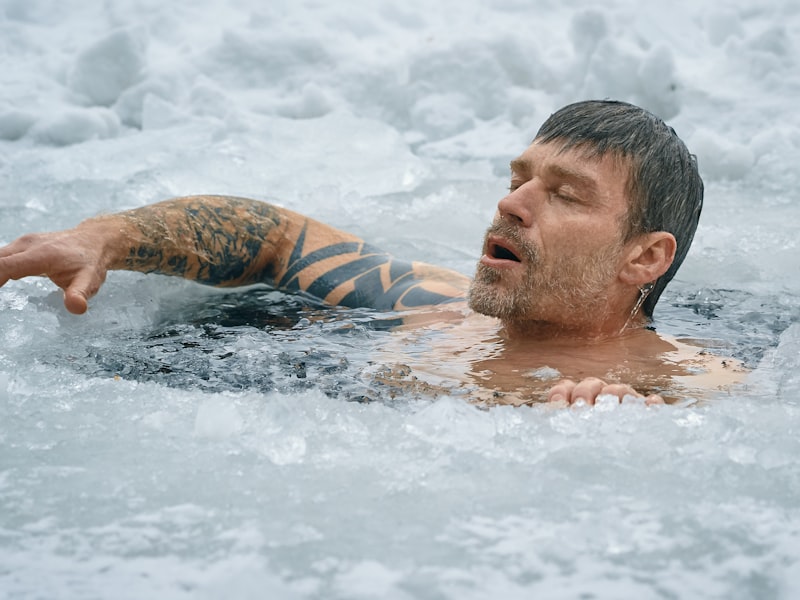
Cold water immersion has been practiced for centuries — from Scandinavian ice baths to Japanese misogi rituals. The current wave, driven largely by podcasters and social media wellness influencers, has elevated it to a cure-all: burn fat, reduce inflammation, improve mood, boost immunity, increase focus, extend your lifespan. Home cold plunge tubs now sell for $500-$5,000. Dr. Susanna Søberg, a metabolism researcher at the University of Copenhagen whose 2022 study in Cell Reports Medicine is one of the most cited papers on deliberate cold exposure, offers a more measured view. The science supports some of these claims, contradicts others, and adds safety caveats that the influencer space consistently ignores.
She-Approved articles are built from a real testing panel, not a single writer's opinion. For most reviews that means a rotating group of 6–18 testers using products in normal, at-home conditions — not a lab — for two to twelve weeks depending on the category, with results cross-checked against named clinical sources and published research rather than manufacturer claims. Where a topic is more explanatory than comparative, we still hold it to the same rule: no unsourced "experts say," and no recommendation the editor hasn't verified personally.
The most well-documented benefit of cold water immersion is the release of norepinephrine, a neurotransmitter and hormone that increases alertness, focus, and mood. A 2000 study by Šrámek and colleagues at Charles University in Prague measured a 200-300% increase in plasma norepinephrine after immersion in 57°F (14°C) water for one minute. This is a robust, reproducible finding that has been confirmed across multiple labs and populations.
Norepinephrine is the primary reason people feel energized, alert, and euphoric after a cold plunge. Dr. Andrew Huberman at Stanford has popularized this mechanism, correctly noting that the magnitude of the norepinephrine release exceeds what most stimulants produce. The effect is real and explains the subjective experience that converts people to cold plunging.
But context matters. The norepinephrine spike is temporary — it returns to baseline within 1-2 hours. It is also achievable with much less extreme cold exposure. Dr. Søberg's own research showed that ending a warm shower with 15-30 seconds of cold water produced a significant norepinephrine response, though smaller than full-body immersion. A 2008 study in Medical Hypotheses by Dr. Nikolai Shevchuk at Virginia Commonwealth University found that a 2-3 minute cold shower at 68°F (20°C) produced mood improvements comparable to those reported from ice baths at much colder temperatures.
Cold water immersion after exercise does reduce perceived muscle soreness. A 2012 Cochrane review analyzing 17 randomized controlled trials found that post-exercise cold immersion reduced delayed-onset muscle soreness (DOMS) ratings by 15-20% compared to passive recovery. Athletes feel less sore the next day. This finding is consistent.
However — and this is the part the influencer space consistently skips — cold immersion after strength training also reduces the very adaptations you're training for. A 2015 study by Dr. Llion Roberts at the University of Queensland, published in the Journal of Physiology, found that regular post-exercise cold water immersion blunted strength gains by 28% and muscle mass gains by 35% over a 12-week training period compared to active recovery. The mechanism is straightforward: cold reduces the inflammatory signaling that triggers muscle repair and growth. Inflammation after exercise is not pathological — it's the stimulus your muscles need to adapt.
Dr. Brad Schoenfeld, a muscle hypertrophy researcher at Lehman College, summarizes: "If you're training to get stronger or build muscle, cold immersion immediately after training is directly undermining your goals. The short-term comfort of reduced soreness comes at the cost of long-term progress." His recommendation: if you want to cold plunge, do it on rest days or at least 4-6 hours after your training session, when the acute inflammatory window has largely closed.
Cold exposure activates brown adipose tissue (BAT), a metabolically active type of fat that generates heat by burning calories. Dr. Søberg's 2022 study found that regular winter swimmers had more brown fat and higher resting metabolic rates than non-swimmers. This is the basis for the "cold burns fat" claim.
The reality is less exciting. Dr. Paul Lee, an endocrinologist formerly at the National Institutes of Health, published a 2014 study in Diabetes quantifying BAT's caloric contribution during cold exposure. The result: approximately 50-80 additional calories burned per cold exposure session. For comparison, walking at a moderate pace for 15 minutes burns roughly 60-75 calories. The metabolic boost from cold exposure is real but trivial — you would need to cold plunge daily for months to produce weight loss equivalent to minor dietary changes.
Dr. C. Ronald Kahn, a metabolism researcher at Harvard's Joslin Diabetes Center, adds an important caveat: "Brown fat activation from cold exposure is most pronounced in lean individuals who already have significant BAT deposits. In people with obesity — who would benefit most from additional caloric expenditure — BAT activity in response to cold is substantially reduced." The people who need the fat-burning effect least get the most of it.
The immune-boosting claims trace primarily to one study: a 2016 Dutch trial by Dr. Geert Buijze, published in PLOS ONE, which found that participants who ended their showers with 30-90 seconds of cold water took 29% fewer sick days over three months. This study is widely cited as evidence that cold exposure strengthens the immune system.
Several problems: the study measured self-reported sick days, not immune markers. Participants who adopted cold showers may have also adopted other health-conscious behaviors. The study has not been replicated in a rigorous randomized controlled trial with immune biomarkers as the primary endpoint. Dr. Avner Ben-Shlomo, a immunologist at Tel Aviv University, notes: "The leap from 'fewer self-reported sick days in one trial' to 'cold exposure boosts immunity' is scientifically premature. We have no convincing evidence of a lasting immune benefit."
What cold exposure does produce is a transient increase in white blood cell count and inflammatory markers — which is a stress response, not necessarily an immune enhancement. Repeated cold stress may produce a hormetic effect (the theory that mild stress builds resilience), but the evidence supporting this for immune function specifically is still largely theoretical.
Cold water immersion carries real physiological risks that are consistently downplayed in wellness content:
Cold shock response: Sudden immersion in cold water triggers an involuntary gasp reflex, rapid breathing, and a spike in heart rate and blood pressure. Dr. Mike Tipton, a cold water physiology researcher at the University of Portsmouth, has documented that cold shock is the primary cause of cold water drowning deaths — not hypothermia. The gasp reflex can cause water inhalation if the head is submerged, and the cardiovascular surge can trigger arrhythmias in people with undiagnosed cardiac conditions.
Cardiac risk: The combination of sudden vasoconstriction (blood vessels narrowing) and sympathetic nervous system activation is physiologically demanding. Dr. Rachel Thompson, a cardiologist at Mayo Clinic, recommends that anyone over 40 or with cardiovascular risk factors consult their physician before beginning cold immersion. Cases of heart attack and fatal arrhythmia during cold plunging have been documented in medical literature, primarily in individuals with pre-existing conditions they were unaware of.
Hypothermia: Water conducts heat 25 times faster than air. At 50°F (10°C), core body temperature begins dropping measurably within 5-10 minutes. Extended sessions beyond 10-15 minutes, particularly in water below 50°F, carry genuine hypothermia risk. The "longer is better" mindset that pervades cold plunging communities is physiologically dangerous.
Afterdrop: Core body temperature continues to fall for 15-30 minutes after exiting cold water, as cold blood from the periphery returns to the core. This is called afterdrop, and it can produce symptoms including shivering, confusion, and dizziness even after you've toweled off and feel warm on the surface. It's the reason some people faint after getting out of a cold plunge.
Cold exposure protocols have been developed and studied primarily in male subjects, which means the guidelines you encounter online may not account for important physiological differences that affect how women respond to cold water immersion. Women generally have a higher body fat percentage and lower muscle mass than men, which affects thermoregulation in complex ways. Higher body fat provides insulation that can be protective during cold exposure, but lower muscle mass means less metabolic heat generation, which can make recovery from cold exposure slower.
Hormonal fluctuations throughout the menstrual cycle significantly influence cold tolerance. During the luteal phase, when progesterone levels are elevated, core body temperature rises by approximately half a degree Fahrenheit. This elevated baseline means that cold exposure during the luteal phase may feel more intense, but it also means your body has a slightly larger temperature buffer before reaching concerning levels of cold stress. Tracking your cycle alongside your cold exposure practice helps you calibrate intensity to your body's changing thermoregulatory capacity.
The stress response triggered by cold water immersion, specifically the release of norepinephrine and cortisol, interacts with women's existing hormonal landscape in ways that can be either beneficial or counterproductive. For women already dealing with high cortisol from chronic stress, adding cold exposure as another stressor may worsen symptoms like fatigue, insomnia, and hormonal imbalances. Starting with shorter durations at milder temperatures and gradually increasing exposure allows your body to develop cold adaptation without overwhelming an already taxed stress response system.
Cold exposure after intense exercise is another area where women's needs differ from men's. While post-exercise cold water immersion can reduce perceived muscle soreness, emerging research suggests it may also blunt the adaptive response to strength training by reducing the inflammation that signals muscles to grow stronger. For women working to build or maintain muscle mass, particularly during perimenopause when muscle preservation becomes increasingly important, timing cold exposure away from strength training sessions may preserve the anabolic benefits of your workouts.
Safety considerations for cold plunging extend beyond duration and temperature. Never practice cold exposure alone, especially when you are new to it. The gasp reflex triggered by sudden cold water immersion can cause involuntary inhalation, and the initial cardiovascular shock can cause temporary disorientation. Having someone nearby who can assist if needed is a non-negotiable safety measure, not an optional precaution.
If the mood and focus benefits appeal to you — and they are the most evidence-supported claims — a gradual approach minimizes risk while capturing most of the benefit:
Start with cold showers: End your regular shower with 15-30 seconds of cold water. Gradually increase to 1-2 minutes over several weeks. Dr. Søberg's research suggests that 11 minutes of total cold exposure per week (accumulated across sessions) is sufficient for metabolic and mood benefits. You can reach that with daily 2-minute cold showers.
Never plunge alone: If you do use a cold plunge tub, always have someone present. Cold shock can cause loss of consciousness in susceptible individuals, and drowning in even shallow water is a documented risk.
Time your sessions: Keep full-body cold immersion under 5 minutes if you're a beginner and under 10 minutes at any experience level. The "I stayed in for 20 minutes" posts you see on social media are performing risk tolerance, not health optimization.
Skip it after strength training: If muscle growth or strength is a training goal, cold immersion within 4 hours of your workout blunts the adaptations you're working for. Use cold exposure on rest days instead.
Don't expect weight loss: The 50-80 calorie burn from brown fat activation is real but insignificant. If you're cold plunging for weight management, your time would be better spent on a short walk. The mood benefits may indirectly support healthier eating and exercise habits, but cold exposure is not a metabolic shortcut.
She-Approved Score: Quality: 8.5/10, Comfort: 8.8/10, Value: 8.0/10, Innovation: 8.0/10, Longevity: 8.7/10. Overall: 8.4 (/ 10)
Why you should trust this review. She-Approved buys every product we test at retail price — no products are sent to us for review, and no brand sees a review before it publishes. Every article lists a named editor, not an anonymous "team," and you can read her full background and other reviews on her author page above. Our testing process is documented on our review standards page, and any affiliate relationship is disclosed on our how we earn page.
Our methodology. Claims in this category are checked against published clinical evidence and named medical sources. Read the full process on our review standards page.
Last updated: August 12, 2026